Understanding the psychology behind why we gamble and how it shapes our decisions in casinos
The Thrill of Uncertainty
The psychology of gambling is deeply rooted in our fascination with risk and uncertainty. When individuals enter a casino, they are often drawn to the unpredictable nature of games like slots and roulette. This thrill, known as «variable reinforcement,» is a psychological phenomenon where uncertain rewards increase excitement and engagement. Each spin of the slot machine or roll of the dice holds the potential for a significant win, creating an exhilarating atmosphere that can be irresistible. Additionally, you can explore a range of exciting options at casea-casino.com, which perfectly captures this vibrant experience.
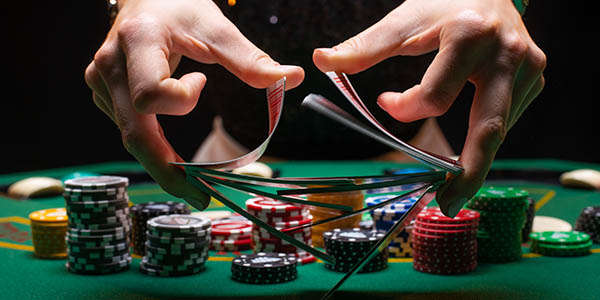
This allure is amplified by the casino environment, which is carefully designed to enhance these feelings. Bright lights, sounds of success, and the presence of other players cheering for wins create a sense of camaraderie and shared anticipation. This heightened emotional state can cloud judgment, leading players to make decisions driven more by the thrill than by rational thought. It becomes easy to lose track of time and money in such an immersive setting.
The Role of Cognitive Biases
Cognitive biases significantly influence the decisions gamblers make in casinos. One prominent bias is the «gambler’s fallacy,» where individuals believe that previous outcomes affect future chances. For instance, if a player observes a slot machine not paying out for a while, they may falsely conclude it is due for a win, prompting them to wager more in hopes of hitting a jackpot. This misunderstanding of probability can lead to increased losses and risky behavior.
Another common cognitive bias is the illusion of control, where gamblers feel they can influence random events. This belief is particularly strong in skill-based games like poker, where players may convince themselves that their strategic decisions can alter the game’s outcome. Such perceptions can lead to overconfidence, as players may gamble more aggressively than they should, believing they possess a unique advantage or insight.
These biases feed into the broader psychological landscape of gambling, creating a cycle where players are drawn deeper into their misconceptions. This can lead to the development of problematic gambling behaviors, as the desire to overcome perceived flaws in judgment leads individuals to engage more frequently and at higher stakes, further complicating their ability to make rational decisions.
Emotional Factors in Gambling
The Impact of Environment on Gambling Behavior
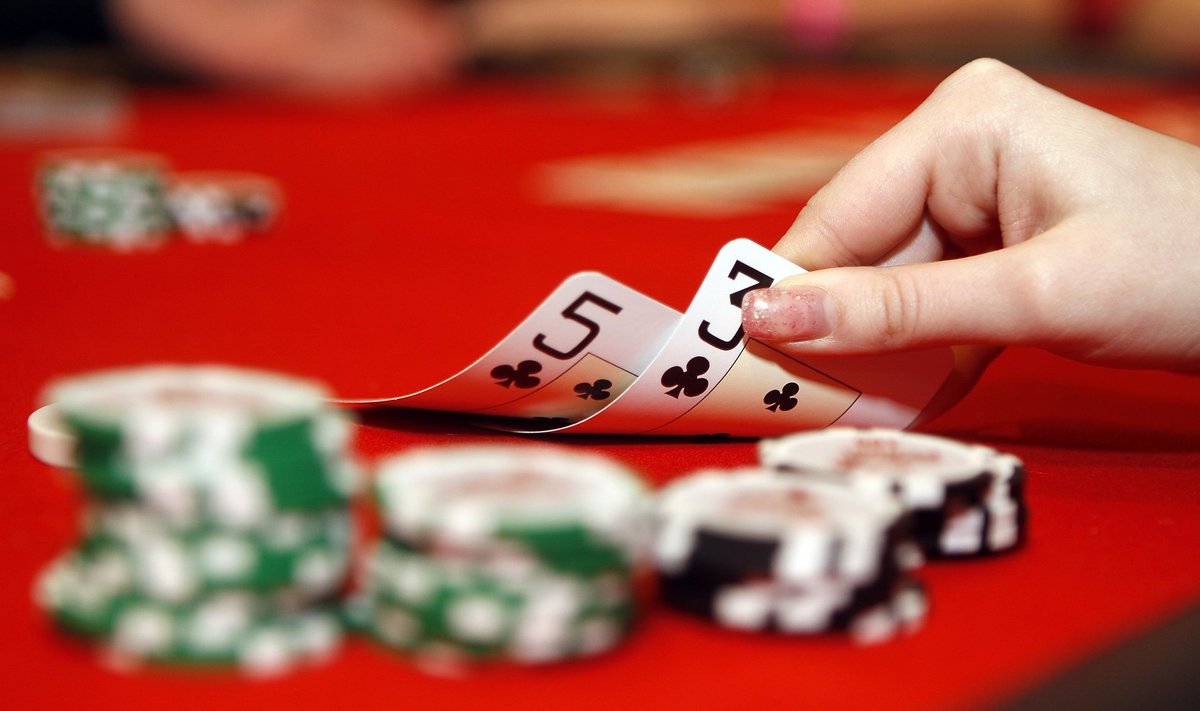
Casea Casino: A Modern Gaming Experience
«`
